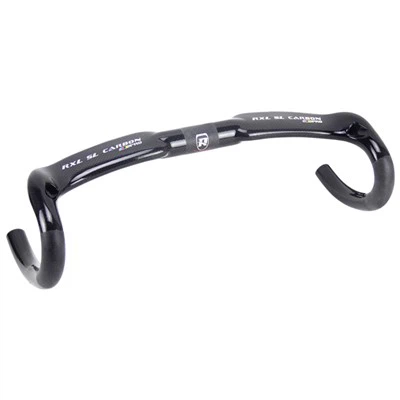
Weight is a crucial factor when it comes to bike forks, influencing a bike’s handling, performance, and overall ride experience. As a seasoned bike fork supplier, I’ve delved deep into the nuances of fork weight, and I’m excited to share my insights with fellow cycling enthusiasts and industry professionals alike. Bike Fork
Understanding the Basics of Bike Fork Weight
The weight of a typical bike fork can vary significantly depending on several factors, including the type of bike it’s designed for, the materials used in its construction, and the specific features and components incorporated into the fork. To provide a more comprehensive understanding, let’s break down these factors and explore their impact on fork weight.
Types of Bikes and Their Fork Weight Requirements
Different types of bikes have distinct requirements when it comes to fork weight, as each type is designed for specific riding styles and terrains. Here’s a breakdown of some common bike types and the typical weight range of their forks:
- Road Bikes: Road bikes are designed for speed and efficiency on smooth pavement. To minimize weight and maximize responsiveness, road bike forks are typically lightweight, ranging from 350 to 550 grams. These forks are often made from high-end materials such as carbon fiber, which offers an excellent strength-to-weight ratio.
- Mountain Bikes: Mountain bikes are built to handle rough and challenging terrains, requiring forks that can withstand heavy impacts and provide excellent suspension. As a result, mountain bike forks tend to be heavier than road bike forks, with weights ranging from 1,300 to 2,200 grams. The weight of a mountain bike fork can vary depending on the type of suspension system (e.g., coil or air), the travel distance, and the strength and durability requirements of the fork.
- Hybrid Bikes: Hybrid bikes combine the features of road bikes and mountain bikes, offering a versatile riding experience on a variety of terrains. Hybrid bike forks typically fall between road and mountain bike forks in terms of weight, ranging from 550 to 900 grams. These forks often feature a combination of lightweight materials and basic suspension components to provide a balance of comfort and performance.
- Touring Bikes: Touring bikes are designed for long-distance rides and carrying heavy loads, requiring forks that are strong and stable. Touring bike forks are typically heavier than other types of bike forks, with weights ranging from 900 to 1,500 grams. These forks are often made from durable materials such as steel or aluminum and may feature additional reinforcement to withstand the rigors of touring.
Materials and Their Impact on Fork Weight
The materials used in the construction of a bike fork play a significant role in determining its weight. Here are some common materials used in bike fork manufacturing and their weight characteristics:
- Carbon Fiber: Carbon fiber is a popular choice for high-performance bike forks due to its excellent strength-to-weight ratio. Carbon fiber forks are incredibly lightweight, making them ideal for road bikes and other applications where weight is a critical factor. However, carbon fiber forks can be more expensive than other types of forks and may require more careful handling and maintenance.
- Aluminum: Aluminum is a lightweight and durable material that is commonly used in bike fork manufacturing. Aluminum forks are typically less expensive than carbon fiber forks and offer a good balance of strength and weight. However, aluminum forks may not be as stiff or responsive as carbon fiber forks, making them less suitable for high-performance applications.
- Steel: Steel is a strong and reliable material that has been used in bike manufacturing for decades. Steel forks are typically heavier than aluminum or carbon fiber forks but offer excellent durability and a smooth ride quality. Steel forks are often used in touring bikes and other applications where strength and stability are more important than weight.
- Titanium: Titanium is a high-end material that offers a combination of strength, lightness, and corrosion resistance. Titanium forks are typically more expensive than other types of forks but offer excellent performance and durability. Titanium forks are often used in high-performance road bikes and mountain bikes.
Features and Components That Affect Fork Weight
In addition to the type of bike and the materials used in its construction, the specific features and components incorporated into a bike fork can also affect its weight. Here are some examples of features and components that can add or subtract weight from a bike fork:
- Suspension System: A bike fork with a suspension system will typically be heavier than a rigid fork. The weight of the suspension system can vary depending on the type of suspension (e.g., coil or air), the travel distance, and the complexity of the system.
- Disc Brake Mounts: Disc brake mounts add weight to a bike fork, as they require additional material and structure to support the disc brakes. However, disc brakes offer improved stopping power and performance, making them a popular choice for many cyclists.
- Axle Type: The type of axle used in a bike fork can also affect its weight. Through axles are typically heavier than quick-release axles but offer improved stiffness and stability.
- Fender and Rack Mounts: Fender and rack mounts add weight to a bike fork, as they require additional material and structure to support the fenders and racks. However, fenders and racks are useful accessories for many cyclists, especially those who use their bikes for commuting or touring.
Why Fork Weight Matters
The weight of a bike fork can have a significant impact on a bike’s performance and ride quality. Here are some reasons why fork weight matters:
- Acceleration and Climbing: A lighter bike fork can improve a bike’s acceleration and climbing performance, as it requires less energy to get the bike moving and helps the rider maintain momentum on steep climbs.
- Handling and Responsiveness: A lighter bike fork can also improve a bike’s handling and responsiveness, making it easier to maneuver and control the bike. This is especially important for cyclists who ride on technical or challenging terrains.
- Comfort and Fatigue: A lighter bike fork can reduce the overall weight of the bike, which can make the ride more comfortable and reduce fatigue, especially on long rides.
- Aerodynamics: A lighter bike fork can also improve a bike’s aerodynamics, as it reduces the frontal area of the bike and helps the rider cut through the wind more efficiently.
Finding the Right Fork Weight for Your Needs
When choosing a bike fork, it’s important to consider your specific needs and riding style. Here are some factors to consider when determining the right fork weight for your bike:
- Riding Style: If you’re a competitive cyclist who values speed and performance, you may want to choose a lighter bike fork. On the other hand, if you’re a recreational cyclist who uses your bike for commuting or touring, you may want to choose a heavier fork that offers more durability and stability.
- Terrain: The type of terrain you ride on can also influence your fork weight decision. If you ride on smooth pavement, a lighter fork may be more suitable. However, if you ride on rough or challenging terrains, a heavier fork with a suspension system may be necessary to provide a comfortable and safe ride.
- Budget: The cost of a bike fork can vary significantly depending on its weight, materials, and features. If you’re on a tight budget, you may need to compromise on weight and choose a more affordable fork. However, if you’re willing to invest in a high-quality fork, you may be able to get a lighter and more performance-oriented fork.
Our Bike Fork Offerings
As a leading bike fork supplier, we offer a wide range of bike forks to meet the needs of cyclists of all levels and riding styles. Our forks are made from high-quality materials and are designed to provide excellent performance, durability, and comfort. Here are some of the key features of our bike forks:
- Lightweight Design: Our bike forks are designed to be lightweight without compromising on strength and durability. We use advanced materials and manufacturing techniques to ensure that our forks offer the best possible strength-to-weight ratio.
- Suspension Systems: We offer a variety of suspension systems to suit different riding styles and terrains. Our suspension forks are designed to provide excellent shock absorption and control, allowing you to ride smoothly and comfortably on even the roughest terrains.
- Disc Brake Compatibility: All of our bike forks are compatible with disc brakes, providing you with reliable and powerful stopping power. Disc brakes are becoming increasingly popular among cyclists, as they offer improved performance and safety compared to traditional rim brakes.
- Fender and Rack Mounts: Many of our bike forks are equipped with fender and rack mounts, allowing you to easily attach fenders and racks to your bike. Fenders and racks are useful accessories for cyclists who use their bikes for commuting or touring, as they provide protection from the elements and allow you to carry additional gear.
Conclusion
The weight of a typical bike fork can vary significantly depending on several factors, including the type of bike it’s designed for, the materials used in its construction, and the specific features and components incorporated into the fork. As a bike fork supplier, we understand the importance of fork weight and its impact on a bike’s performance and ride quality. That’s why we offer a wide range of bike forks to meet the needs of cyclists of all levels and riding styles, with a focus on lightweight design, excellent performance, and durability.
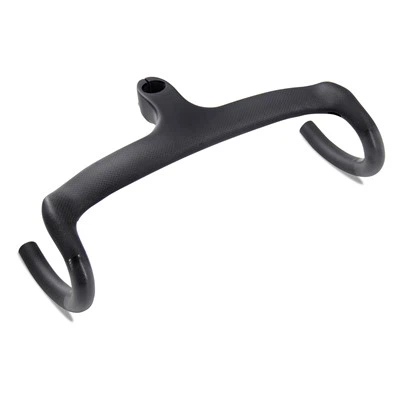
Bike Road Integrated Handlebar If you’re in the market for a new bike fork and want to learn more about our products or discuss your specific needs, please don’t hesitate to contact us. Our team of experts is here to help you find the perfect fork for your bike and ensure that you have the best possible riding experience.
References
- "Bicycle Forks: A Buyer’s Guide." Park Tool Company, 2023.
- "The Science of Bike Fork Design." CyclingTips, 2023.
- "How to Choose the Right Bike Fork." REI Co-op, 2023.
Hunan Yecheng Technology Co., Ltd.
We’re well-known as one of the leading bike fork manufacturers and suppliers in China, also support customized service. Please feel free to buy high quality bike fork for sale here from our factory. For more information, contact us now.
Address: Changsha, Hunan Province, China.
E-mail: info@rxlsl.com
WebSite: https://www.rxlsl.com/
