Hey there! I’m a supplier of infusion chairs, and today I wanna chat about a topic that might not cross everyone’s mind right away but is super important – the noise level when adjusting an infusion chair. Infusion Chair
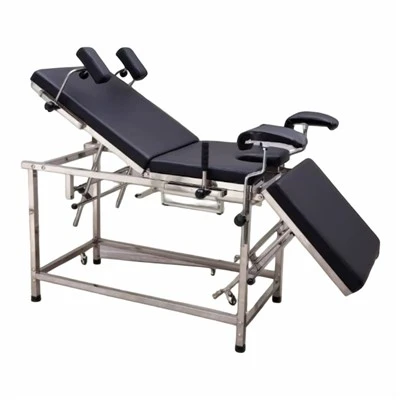
Let’s first kick off by understanding why the noise level matters. When a patient is sitting in an infusion chair, getting treatment, the last thing they need is a bunch of loud, annoying noises every time the chair is adjusted. It can be really distracting and even a bit stressful. You know, a quiet environment is crucial for patients to relax and feel at ease during their treatment. And as a supplier, we’ve got to make sure our chairs meet these needs.
So, what’s the deal with the noise level when adjusting an infusion chair? Well, it depends on a few factors. First up is the type of adjustment mechanism. There are different ways to adjust an infusion chair, like manual levers and electric motors.
Manual adjustment is pretty straightforward. You pull a lever, and the chair moves. The noise level here is usually quite low. It’s mostly just the sound of the mechanical parts moving against each other. You might hear a little "creak" or a "click" as the chair locks into place. But generally, it’s not too loud. It’s like the kind of noise you’d hear when you’re opening an old wooden door. It’s not going to startle anyone.
On the other hand, electric adjustment is where things get a bit more interesting. Electric motors are great because they offer smooth and precise adjustments. But they can also produce some noise. When the motor is running, it makes a humming sound. The intensity of this sound can vary depending on the quality of the motor and how well it’s installed.
A high – quality electric motor in an infusion chair might make a low – pitched hum that’s barely noticeable. It’s kind of like the sound of a gentle fan running in the background. But if the motor is of poor quality or not properly maintained, it can make a really loud, shrill noise. That’s definitely not good for the patient’s experience.
At our end, as a supplier, we take the noise level issue very seriously. We’ve done a lot of research and testing to find the best adjustment mechanisms that keep the noise to a minimum. When choosing electric motors, we look for ones that are known for their quiet operation. We also make sure that all the parts are assembled correctly. A loose part can rattle and make extra noise, so we pay close attention to the details during the manufacturing process.
We’ve also conducted some real – world tests. We set up a mock hospital room and had patients sit in our infusion chairs while we adjusted them. We asked the patients to rate the noise level on a scale of 1 to 10, with 1 being completely silent and 10 being extremely loud. The results were really encouraging. Most of our chairs got a rating of 2 or 3, which means the noise was hardly noticeable.
Another thing that affects the noise level is the age of the chair. As a chair gets older, the mechanical parts can wear out. The lubricants that keep the parts moving smoothly can dry up, and this can lead to more noise. That’s why we recommend regular maintenance for our infusion chairs. Just like you’d take your car to the mechanic for an oil change, our chairs need a little TLC too.
We provide our customers with maintenance guides that tell them how to keep their chairs in top condition. For example, we suggest lubricating the moving parts every few months. This simple step can make a big difference in reducing the noise level.
Now, let’s talk about how we measure the noise level. We use a sound level meter, which is a device that measures the intensity of sound in decibels (dB). For a comfortable patient experience, we aim to keep the noise level below 40 dB when adjusting the chair. To give you an idea of what that sounds like, a quiet library usually has a noise level of around 30 – 40 dB.
We test each chair before it leaves our factory to make sure it meets this standard. If a chair makes too much noise, we go back and figure out what’s wrong. It could be a faulty motor, a misaligned part, or something else. We fix the issue and retest the chair until it passes our noise level test.
In addition to the patient experience, a low noise level also benefits the medical staff. They’re in and out of the treatment rooms all day long, adjusting the chairs for different patients. A quiet chair means they can work without being distracted by loud noises. It also makes the overall work environment more pleasant.
As a supplier, we’re always looking for ways to improve. We’re constantly researching new technologies and materials that can further reduce the noise level when adjusting the chairs. We’re also open to feedback from our customers. If they have any suggestions on how we can make our chairs even quieter, we’re all ears.
So, if you’re in the market for infusion chairs, whether you’re a hospital, a clinic, or any other medical facility, you should definitely consider the noise level. It might seem like a small thing, but it can have a big impact on the patient and staff experience. And that’s where we come in. Our infusion chairs are designed with the latest technology and high – quality materials to ensure a quiet and comfortable adjustment process.
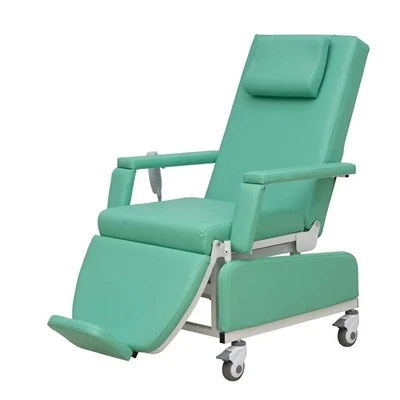
If you’re interested in learning more about our infusion chairs or getting a quote, don’t hesitate to reach out. We’d love to have a chat with you and see how we can meet your needs. Whether it’s a small order or a large one, we’re here to help.
Hospital Trolley References
- "Medical Equipment Noise and Patient Comfort" – A study on the impact of noise from medical devices on patients.
- "Best Practices for Infusion Chair Maintenance" – A guide on how to keep infusion chairs in good working condition.
Eusokon Technology ( Shanghai ) Co., Ltd.
As one of the most professional infusion chair manufacturers and suppliers in China, we offer a wide range of products with superior quality. Please feel free to wholesale advanced infusion chair in stock here from our factory.
Address: No.2 building lane 89,Huguang east road Minhang area Shanghai China
E-mail: dorisyang@eusokon.com
WebSite: https://www.eusokon.com/
