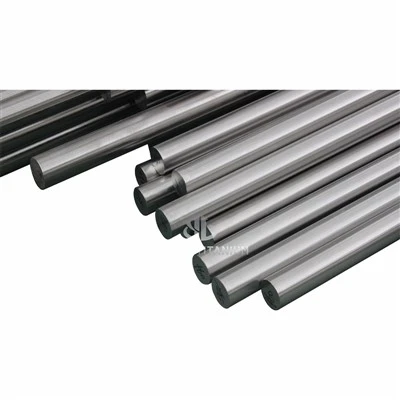
As a supplier of titanium seamless tubes, I often encounter inquiries from customers about the corrosion resistance of these products. In this blog post, I will delve into the details of what makes titanium seamless tubes highly corrosion – resistant, exploring the underlying scientific principles, real – world applications, and the advantages they offer in various industries. Titanium Seamless Tube
The Science Behind Titanium’s Corrosion Resistance
Titanium is a remarkable metal with unique chemical and physical properties that contribute to its outstanding corrosion resistance. At the heart of this resistance is the formation of a thin, adherent, and self – healing oxide layer on the surface of the titanium. When titanium is exposed to oxygen, a layer of titanium dioxide (TiO₂) forms almost instantaneously. This oxide layer is extremely stable and acts as a protective barrier between the metal and the surrounding environment.
The stability of the titanium dioxide layer can be attributed to its high bond strength and low solubility in most environments. It is thermodynamically stable, meaning it has a low tendency to react with other substances. Even if the surface of the titanium is scratched or damaged, the oxide layer will quickly reform in the presence of oxygen, continuing to protect the underlying metal from corrosion.
Comparing Titanium with Other Metals
To better understand the superiority of titanium’s corrosion resistance, it is useful to compare it with other commonly used metals. For example, stainless steel is known for its corrosion – resistant properties, but it can still be susceptible to localized corrosion such as pitting and crevice corrosion in environments containing chloride ions. In contrast, titanium shows excellent resistance to chloride – induced corrosion, making it suitable for use in marine and coastal applications where stainless steel may fail over time.
Aluminum also forms an oxide layer on its surface, but this layer is less stable than the titanium dioxide layer. Aluminum oxide can react with acids and alkalis, leading to corrosion in certain chemical environments. Titanium, on the other hand, maintains its integrity in a wide range of pH values, from acidic to alkaline conditions, making it a more versatile choice for many industrial processes.
Real – World Applications of Titanium Seamless Tubes
The exceptional corrosion resistance of titanium seamless tubes has led to their widespread use in numerous industries.
Chemical Industry
In the chemical industry, titanium seamless tubes are used in the production and transportation of various chemicals. They can withstand the corrosive effects of strong acids such as sulfuric acid, hydrochloric acid, and nitric acid, as well as alkalis and other aggressive chemical substances. For example, in chemical reactors, titanium tubes can be used to transfer heat or as part of the reaction vessel, ensuring long – term reliability and preventing contamination of the chemical products.
Marine Industry
The marine environment is highly corrosive due to the presence of saltwater, which contains a high concentration of chloride ions. Titanium seamless tubes are an ideal material for marine applications such as seawater desalination plants, shipbuilding, and offshore oil and gas platforms. In seawater desalination plants, titanium tubes are used in heat exchangers to transfer heat between seawater and the working fluid. Their corrosion resistance ensures the efficient operation of the desalination process and reduces maintenance costs.
Power Generation
In power generation, especially in nuclear power plants and thermal power plants, titanium seamless tubes are used in condensers and heat exchangers. In nuclear power plants, the tubes are exposed to high – temperature and high – pressure water, as well as radioactive substances. Titanium’s corrosion resistance and its ability to withstand high – energy radiation make it a reliable material for these critical components. In thermal power plants, titanium tubes are used to cool the steam, and their resistance to corrosion helps to improve the efficiency and lifespan of the power generation equipment.
Medical Industry
Titanium is biocompatible, which means it is well – tolerated by the human body. In the medical industry, titanium seamless tubes are used in various medical devices such as surgical instruments, implants, and catheters. Their corrosion resistance ensures that they do not release harmful substances into the body, reducing the risk of infection and other complications.
Advantages of Using Titanium Seamless Tubes
Longevity
Due to their excellent corrosion resistance, titanium seamless tubes have a much longer lifespan compared to other materials. This reduces the need for frequent replacement, resulting in lower long – term costs for the end – user. In industrial applications where downtime for maintenance and replacement can be costly, the longevity of titanium tubes is a significant advantage.
High Strength – to – Weight Ratio
Titanium has a high strength – to – weight ratio, which means it is both strong and lightweight. This property is particularly beneficial in applications where weight reduction is important, such as in aerospace and automotive industries. Titanium seamless tubes can provide the necessary structural support while reducing the overall weight of the equipment, leading to improved fuel efficiency and performance.
Low Maintenance
The corrosion – resistant nature of titanium seamless tubes means that they require minimal maintenance. Unlike some other metals that may need regular painting, coating, or other forms of protection, titanium tubes can be used in harsh environments without the need for frequent upkeep. This not only saves time but also reduces the overall cost of ownership.
Factors Affecting the Corrosion Resistance of Titanium Seamless Tubes
While titanium seamless tubes are generally highly corrosion – resistant, there are some factors that can affect their performance.
Temperature
At high temperatures, the rate of oxidation and corrosion can increase. Although titanium has a high melting point and good thermal stability, extremely high temperatures can cause the titanium dioxide layer to break down or react with other substances in the environment. Therefore, in applications where high temperatures are involved, it is necessary to carefully evaluate the suitability of titanium tubes and take appropriate measures to ensure their long – term performance.
Chemical Composition of the Environment
The presence of certain chemicals in the environment can also affect the corrosion resistance of titanium. For example, in environments containing hydrofluoric acid or hot concentrated sulfuric acid, titanium may experience accelerated corrosion. It is important to understand the specific chemical composition of the environment in which the tubes will be used and select the appropriate grade of titanium to ensure optimal performance.
Surface Finish
The surface finish of titanium seamless tubes can influence their corrosion resistance. A smooth surface finish helps to reduce the likelihood of crevice corrosion and pitting. During the manufacturing process, proper surface treatment such as polishing and passivation can enhance the corrosion resistance of the tubes.
Conclusion

In summary, the corrosion resistance of titanium seamless tubes is a result of the formation of a stable, self – healing oxide layer on their surface. This property, combined with their high strength – to – weight ratio, longevity, and low maintenance requirements, makes them an ideal choice for a wide range of industries. Whether it is in the chemical, marine, power generation, or medical industry, titanium seamless tubes can provide reliable performance in harsh and corrosive environments.
Titanium Cap If you are interested in exploring the use of titanium seamless tubes for your specific applications, I encourage you to reach out. We have a team of experts who can provide you with detailed information about our products, including different grades of titanium, sizes, and manufacturing processes. We can also work with you to understand your requirements and offer customized solutions. Start a conversation with us today to discuss your procurement needs and find out how our titanium seamless tubes can benefit your business.
References
- ASM Handbook Volume 13A: Corrosion: Fundamentals, Testing, and Protection
- Titanium: A Technical Guide, Second Edition by Don Eylon
- "Corrosion Behavior of Titanium Alloys in Different Environments" by various authors in the Journal of Materials Science and Technology.
Baoji Yinnly Titanium Co., Ltd.
Baoji Yinnly Titanium Co., Ltd. is one of the most professional titanium seamless tube manufacturers and suppliers in China, featured by quality products and good service. Please rest assured to buy bulk titanium seamless tube in stock here and get quotation from our factory. Customized orders are welcome.
Address: Unit 902, Building 1, Creative Building, No. 195, Gaoxin Avenue, High-tech Zone, Baoji City, Shaanxi Province
E-mail: anna@yinnlyti.com
WebSite: https://www.yinnlyti.com/
