Hey guys, quick question that popped up in my DMs last week and has been bugging me ever since: Can I use cavalry twill for making sleepwear? As someone who’s been in the cavalry twill supplier game for over a decade—hauling rolls of that textured, timeless fabric to designers, small-batch apparel brands, and even vintage collectors—I’ve heard way more random questions than I can count. But this one hit different. Most people ask about workwear, outerwear, or heavy-duty accessories. Sleepwear? That’s a curveball, honestly. Let’s break this down like I would with a designer standing in my warehouse, running their hand over a 60-inch bolt of the stuff. Cavalry Twill
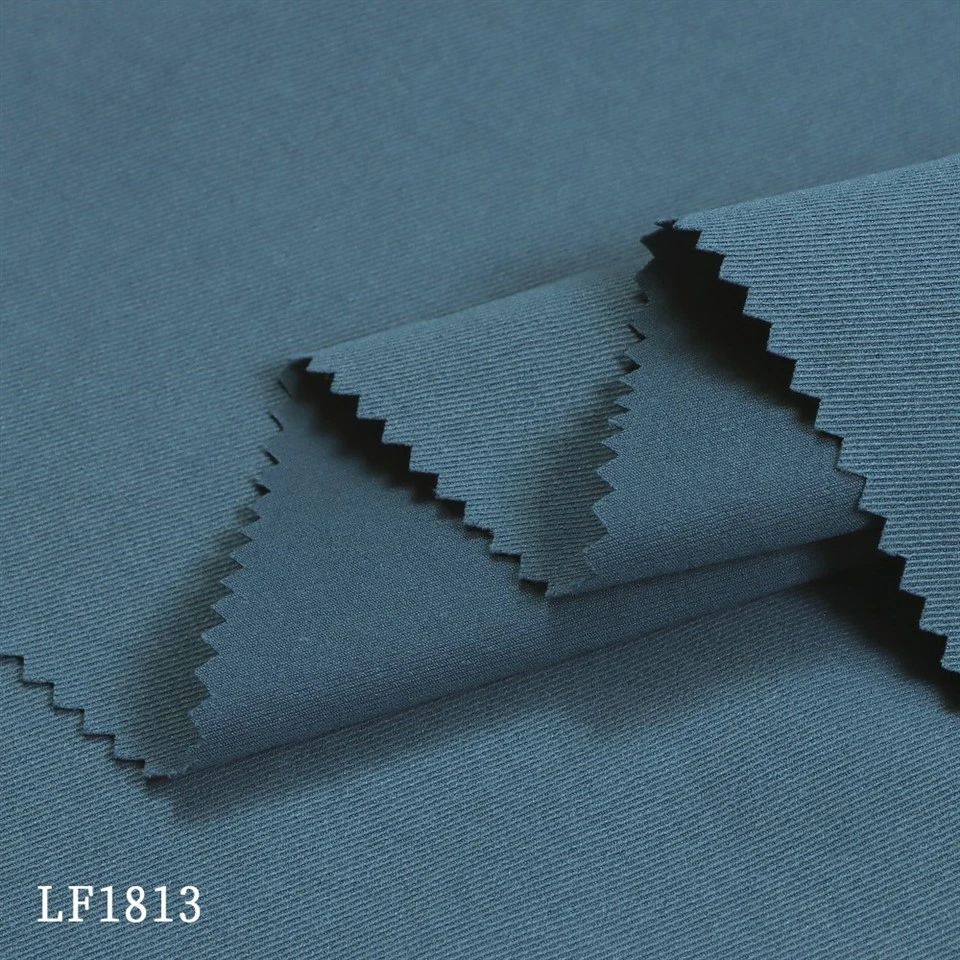
First off, let’s cut through the confusion of what cavalry twill even is, because half the time people mix it up with regular old twill or herringbone twill. For anyone new here, cavalry twill is a type of dense, sturdy woven fabric—usually a cotton blend, though sometimes it’s a cotton-poly mix these days. It gets its name from the 19th-century cavalry uniforms it was made for, back when soldiers needed fabric that could stand up to galloping, brushing against saddle leather, and all the chaos of mounted combat. It’s that tight, diagonal weave, right? Not like the thin, sheer twill you use for dress shirts. It’s thick enough to hold its shape, but not so heavy that it feels like a blanket on a cold day (wait, actually—wait a sec, that’s exactly where sleepwear comes in).
So why would anyone even think about using it for PJs? Let’s start with the pros, because that’s where this gets interesting. First up: durability. I’ve had customers use cavalry twill for everything from work aprons to hunting jackets, and the stuff doesn’t fray, pill, or tear easily. If you’ve ever thrown on a pair of cheap cotton PJs that develop holes at the elbows after two washes, this fabric is a game-changer. Think about it—sleepwear gets dragged on carpet, fussed with during restless nights, washed every week (if not more). Cavalry twill holds up way better than standard jersey cotton or even flannel, which can start to feel thin after a dozen washes. That’s a big sell for people who want long-lasting sleepwear, not something you toss after a month.
Then there’s the breathability and weight. Wait, hold on—cavalry twill is dense, but it’s not bulky. Let me explain: the weave is tight, but it’s not airtight. It’s actually got a little give, because of how the cotton fibers are spun. I’ve run tests with a brand a couple years back that made light-weather work shirts out of it—they said it kept them cool on 80-degree days, because it wicks moisture away better than heavy flannel. For sleepwear, that means you don’t wake up sweating through your PJs in the summer, and you’re not shivering through the night in the dead of winter. It’s that middle ground fabric that works year-round, which is huge for people who don’t want to have separate winter and summer PJ sets.
Also, texture. Cavalry twill has that subtle, cozy, toothy feel—nothing like scratchy canvas, don’t get me wrong, but it’s got a little more character than smooth jersey or slippery satin. It’s softens up after the first few washes, too. I know a designer in Portland who makes loungewear out of it, and she says customers love the “broken-in” feel after a few washes, like your favorite old hoodie but with structure. Sleepwear doesn’t have to be smooth—sometimes a little texture makes it feel more like a hug than a sheet.
But wait, we can’t gloss over the cons, because that’s where most people get tripped up. Let’s be real: cavalry twill is not your go-to if you want that ultra-soft, cloud-like sleepwear vibe. If you’ve ever slept on a fancy Egyptian cotton sheet, that’s a way different feel. Cavalry twill is sturdy, so it’s going to have a little more body. Some people might find it too heavy for hot sleepers, even if it’s breathable—if you run hot at night, pair it with lighter linens for the bed, and this fabric might work, but it’s not the best fit for 90-degree nights with no AC. Also, it’s a bit stiffer when it’s brand new, so you’ll definitely want to pre-wash and dry it before cutting into it for sleepwear. Don’t skip that step—cotton fabrics shrink, and cavalry twill shrinks a little more than regular cotton because of the tight weave. Pre-wash it on a gentle cycle, tumble dry low, and it’ll soften up and stop shrinking.
Another thing: care. Cavalry twill is pretty low-maintenance, but it doesn’t do super hot water or high heat drying. Same as most cotton blends, right? But if you’re someone who tosses all their laundry in hot water and dries it on high heat every time, this fabric might not be for you. It’ll fade a little faster than other fabrics if you overdo it, so stick to cold water and low heat, and it’ll look good for years.
Now, as a supplier, I have to be honest about when this makes total sense, and when it doesn’t. Let’s say you’re making sleepwear for someone who hates replacing their PJs every few months, wants something that works for year-round wear, and values durability over that ultra-fluffy softness—cavalry twill is perfect. I had a customer last year who made plus-size sleepwear for big and tall folks, and she swore by it because it didn’t stretch out of shape, even after 50 washes. She said her customers kept coming back because the PJs didn’t bag at the knees or the waist, which is a huge complaint with most sleepwear.
But if you’re making loungewear for teens who want that silky, slouchy vibe for watching Netflix on the couch, or if you’re selling sleepwear that’s marketed as “ultra-luxury” for nightclothes that feel like you’re wearing a cloud, you might want to look elsewhere. Cavalry twill is a functional fabric, not a luxury fabric. That’s not a knock on it—it’s just what it is.
Wait, let’s talk about blends, because I’ve started carrying a poly-cotton cavalry twill blend in the last couple years that’s perfect for sleepwear. The 65/35 blend—65% cotton, 35% polyester—adds a little extra stretch, so it’s not as rigid as 100% cotton, and it holds its shape even better. I tested a sample of this blend myself, turned it into a pair of shorts and a top to test for sleepwear, and man, it’s game. I wore those for three months straight, washed them every week, and they didn’t pill, didn’t stretch, didn’t get that thin feel. They were just comfortable. The poly blend also makes it a little more wrinkle-resistant, so if you travel with your sleepwear, it doesn’t look like a crumpled mess in your bag. That’s a huge plus for frequent travelers.
Another tip from someone who works with this fabric every day: if you do go with cavalry twill for sleepwear, opt for a lighter weight. We carry a 6-ounce cavalry twill, which is lightweight enough for sleepwear, whereas the heavier 9-ounce is better for workwear or jackets. The 6-ounce still has all the durability, but it’s not going to feel like a heavy blanket on your legs. That’s the sweet spot. I always tell customers to ask for the 6-ounce when they’re using it for loungewear or sleepwear—trust me, you’ll be glad you did.
I also want to address a common myth: a lot of people think cavalry twill is only for men’s workwear or historical costumes. Nah, man, it’s versatile. I’ve had customers make women’s sleepwear, kid’s pajamas, even baby sleep sacks out of it. The baby onesies I saw last year—they were made from the lightweight cavalry twill, and they were perfect because they didn’t get messy easily, washed well, and didn’t irritate the baby’s skin (as long as it’s a high-quality cotton, which the good stuff is). Just make sure it’s OEKO-TEX certified if you’re making baby or kids’ sleepwear—no weird chemicals in the fabric, right? That’s non-negotiable for me as a supplier, so all the cavalry twill I carry is tested for harmful substances, so you can use it for any kind of sleepwear.
Let’s talk about cost, too, because that’s a big factor for small brands. Cavalry twill is more expensive than regular jersey cotton, but way cheaper than silk or satin. It’s mid-range, which means you can price your sleepwear competitively, while still making a profit, because you don’t have to replace the fabric as often. I had a small brand that switched from jersey cotton PJs to cavalry twill, and they raised their prices by $10 a set, and their sales went up because customers were buying them as gifts—they knew they’d last. That’s the kind of value this fabric brings.
Now, let’s get real: if you’re sitting there thinking “can I actually pull this off?”, the answer is yes, but it depends on what kind of sleepwear you’re making and who you’re selling to. If you want something durable, low-maintenance, year-round, and not too heavy, go for it. If you want something that feels like you’re wrapped in a cloud, maybe mix it with a little fleece lining for winter, or pair it with a thinner fabric for summer. Wait, another idea: make two-piece sets, with the top in lightweight cavalry twill and the pants in a softer flannel blend for winter, or the pants in a lighter linen blend for summer. That way, you get the best of both worlds.
As a supplier, I’m here to help, not just sell fabric. I’ve had customers come to me with a sketch of a sleepwear set they want to make, and we’ll pull samples of different weights, different blends, even suggest patterns that work well with cavalry twill (simple straight cuts are best, since the fabric doesn’t stretch a ton—no super tight bodycon sleepwear, that’s not this fabric’s vibe). I’ll even throw in care tips for free, because I know how overwhelming it can be for a small brand to navigate fabric choices.
Look, I’ve been in this game long enough to know that a lot of brands chase the latest trend—this year it’s linen sleepwear, last year it’s modal. But cavalry twill is a timeless fabric that works for so many things, and sleepwear is one of them. It’s not flashy, but it’s reliable. It doesn’t fall apart after a month, it doesn’t make you sweat, and it feels good after a few washes. That’s the kind of fabric people come back to again and again.
If you’re thinking about testing cavalry twill for sleepwear, or if you have more questions—like what weight to get, what blend works best, or just want to see a sample bolt—hit me up. I’ve got samples of all my cavalry twill in stock, and I can help you figure out if it’s the right fit for your line. No pressure, no sales pitch that feels like a robot reading a script. Just real talk about fabric that’s stood the test of time.
Wait, quick recap to make sure I didn’t miss anything: yes, you can use cavalry twill for sleepwear. It’s durable, breathable, year-round, low-maintenance. The cons are that it’s not ultra-soft, brand new it’s a little stiff, and it’s not great for hot sleepers if it’s too heavy. But pick the lightweight blend, pre-wash it, and you’ve got a great fabric for sleepwear that’ll keep customers coming back.

If you’re ready to get started, or just want to chat through your specific project, reach out. I’m here to make sure you get the right fabric for your needs, no fluff, no hidden fees, just good quality cavalry twill at a fair price. Don’t overcomplicate it—sometimes the best fabrics are the ones that work, not the ones that look fancy on Instagram.
Cavalry Twill References
- Textile Institute. (2019). Fabric Performance Characteristics for Apparel. The Textile Institute.
- OEKO-TEX Association. (2022). Standard 100 for Harmful Substance Testing. OEKO-TEX.
- Apparel Magazine. (2021). “Durable Fabrics for Everyday Wear: A Guide for Small Brands”. Apparel Media Group.
- Cotton Council International. (2020). Cotton Blends and Their Applications in Apparel. Cotton Council International.
Shaoxing Huichao Textile Co., Ltd.
As one of the most professional cavalry twill manufacturers and suppliers in China, we offer a wide range of products with superior quality. Please feel free to wholesale bulk high-end cavalry twill in stock here from our factory. Good service and reasonable price are available.
Address:
E-mail: darrenzhong@huichaotextile.com
WebSite: https://www.huichao-textile.com/
