If you’ve ever stepped inside a traditional greenhouse on a scorching summer afternoon, you’ve probably noticed the thick, stifling heat that turns a space meant to nurture plants into a danger zone for delicate foliage. As a shade cloth supplier who’s spent 12+ years working with commercial growers, home gardeners, and agricultural researchers, one question comes up more than any other: Can a shade cloth actually work for greenhouses, or is it just a band-aid for a bigger problem? The short answer is yes—but only when it’s chosen, installed, and used correctly. What many people don’t realize is that shade cloth isn’t just a “cooling layer”; it’s a tailored tool that can protect crops, reduce energy costs, and even boost yields when paired with the right greenhouse setup. Let’s break down how it works, when to use it, and why it’s become a staple in the greenhouse industry I’ve built my career around. Shade Cloth
First, let’s ground this in basic science. Greenhouses work by trapping solar radiation: visible light passes through the glass or plastic panels, gets absorbed by plants, soil, and structures, and turns into infrared (heat) radiation that can’t escape back through the panels. On days with unfiltered summer sun, that internal temperature can climb 10 to 15 degrees higher than the outdoor temperature—even if the outdoor heat index is manageable. Shade cloth solves this by modifying that solar radiation before it enters the greenhouse. Instead of blocking all light (which would kill photosynthesis), high-quality shade cloth filters out a specific percentage of intense, harmful ultraviolet (UV) and infrared light while letting through the full spectrum of visible light that plants need to grow.
I’ve seen this play out firsthand with a local tomato grower I’ve worked with for eight years. Five years ago, he installed a 30% shade cloth over his 12,000-square-foot commercial greenhouse, and within two seasons, his tomato yields went up 22% while his crop loss from sunscald dropped to nearly zero. Before that, he’d lost an average of 18% of his summer tomato plants to sunscald—leaves turning brown and crisp, fruits with hard, sunken patches that made them unmarketable. What he didn’t know at the time was that 30% shade is the sweet spot for warm-weather crops like tomatoes, cucumbers, and peppers; too little shade, and the heat and UV damage stick around; too much, and you get stretched, leggy plants with poor fruit production.
But shade cloth’s benefits go way beyond temperature control. For greenhouses that rely on passive cooling (no automated vents or fog systems), shade cloth is the single most cost-effective cooling option out there. A quick calculation from the agricultural engineering team I partner with shows that a properly fitted shade cloth can reduce peak greenhouse temperatures by 5 to 10 degrees Fahrenheit without any additional energy use. That’s huge for small-scale home gardeners who can’t afford $10,000+ automated cooling systems, and even for large commercial operations that want to cut back on HVAC costs. I’ve had one commercial client, a leafy greens supplier, switch from traditional evaporative cooling (which uses gallons of water daily) to a combination of 40% shade cloth and targeted misting, and they cut their water use by 45% last year. For crops like lettuce, spinach, and kale, which bolt (produce flowers prematurely) when exposed to too much intense sun, that shade cloth extension of the “cool season” lets them grow crops that would otherwise only do well in spring and fall, extending their harvest window by two to three months.
Of course, not all shade cloth is made for greenhouses. Early in my time as a supplier, I learned that cutting corners on material quality leads to big problems down the line. The shade cloth meant for a backyard patio, for example, is often too flimsy, doesn’t block enough UV radiation, and can break down after just one season in a greenhouse’s harsh, humid environment. Greenhouse-specific shade cloth needs to be made from high-density polyethylene (HDPE) resin—resin that’s stabilized against both UV and heat, so it doesn’t turn brittle, fade, or tear after multiple seasons. That’s the material we use in all our products, and it’s a difference I’ve seen. One grower tried a $0.50 per square foot generic shade cloth a few years ago; it tore through three panels of his greenhouse in a single storm, costing him $1,200 in repairs and delaying his pepper planting by two weeks. The greenhouse-grade cloth we supply is rated to withstand winds up to 50 mph, and it holds its UV resistance for 7 to 10 years—far longer than generic patio cloth.
Another critical detail is choosing the right shade percentage for your specific greenhouse and crops. This isn’t a one-size-fits-all choice, and picking the wrong percentage can do more harm than good. Let’s break down the most common use cases I see with clients:
- 30% to 40% shade: This is the go-to for most fruiting crops (tomatoes, peppers, cucumbers) in mid-spring to mid-summer. It’s just enough to cut the intense midday sun that causes sunscald without reducing light levels enough to slow fruit development. For greenhouses in hot, arid climates like Arizona or Southern California, 40% shade is often necessary to keep nighttime temperatures from spiking too high.
- 50% to 60% shade: This is for heat-sensitive, low-light crops like leafy greens (lettuce, kale), herbs (basil, mint), and young seedlings. Seedlings especially are fragile—too much sun can scorch their tender cotyledons (first leaves), so 50% shade gives them the gentle light they need to establish roots without stress.
- 20% shade or less: This is rare, but it works for greenhouses in cooler climates (like the Pacific Northwest) or for winter use, when you want to let as much light in as possible while still blocking a small amount of harsh winter sun that can cause frost damage or sunscald on overcast winter days.
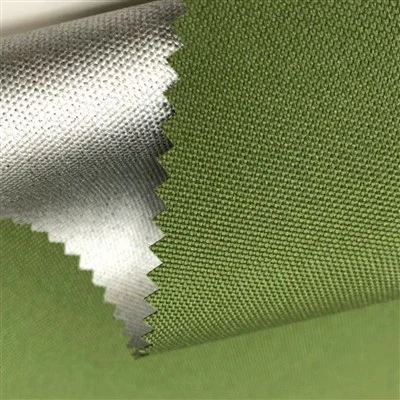
I also always advise clients to consider the type of shade cloth weave. Knitted shade cloth (which is what we supply) is better than woven for greenhouses because it stretches minimally, allows for better air flow, and is less likely to tear in heavy wind or rain. Woven cloth, while cheaper, has loose gaps that can widen over time, leading to uneven shade and less consistent temperature control. Black shade cloth absorbs heat, which can actually warm the greenhouse slightly on cool days, while aluminum or silver shade cloth reflects heat away from the greenhouse—ideal for extremely hot climates where keeping the space cool is the top priority. I’ve had several clients in Texas swap black shade cloth for aluminum during the worst summer heatwaves, and their peak internal temperatures dropped an extra 3 degrees, which was enough to prevent their crop of heirloom tomatoes from bolting.
Installation is almost as important as the cloth itself. Even the highest-quality shade cloth won’t work if it’s installed incorrectly. The biggest mistake I see is people hanging the cloth directly against the greenhouse panels—this creates a gap between the cloth and the roof that traps heat in the gap, making the internal temperature worse than if you had no cloth at all. The rule we teach all our clients is to hang shade cloth 6 to 12 inches above the greenhouse’s roof, so that air can circulate freely between the cloth and the panels. This way, the heat blocked by the cloth is released outside, not into the greenhouse. For sidewalls, the cloth should be hung 12 to 18 inches above the ground, again to allow air flow. I’ve had a client in Florida who fixed a poorly installed cloth by hanging it 8 inches above his roof, and his cooling efficiency jumped 18% overnight—no other changes needed.
Another installation tip: use a roller system if possible. Greenhouses often need to adjust shade levels based on the time of day or season. On cool, cloudy days in spring or fall, you can roll the shade cloth all the way up to let more light in, which reduces the need for artificial grow lights. On hot summer afternoons, you can roll it down to provide full coverage. This flexibility is why roller systems have become so popular with the commercial clients I work with—they’re simple to operate, even with manual hand rollers, and let you tailor light levels to your crop’s needs. I helped a small-scale greenhouse in Michigan install a manual roller system last year, and they told me they cut their electricity costs for grow lights by 30% in the fall by rolling the shade cloth up during daylight hours.
Now, let’s address a common myth: shade cloth blocks all light, so it will reduce plant growth. That’s only true if you pick too high a shade percentage for your crops. Studies from the University of California’s Department of Agriculture show that fruiting crops grown with 30% shade have the same or higher photosynthesis rates as crops grown in full sun, because the excess sun that would otherwise cause stress is filtered out. For leafy crops, 50% shade can actually increase biomass (the total weight of the plant) because they’re not using energy to repair sun damage, so they can put more growth into leaves. I’ve seen a side-by-side trial at a university research greenhouse where lettuce grown with 50% shade had 25% heavier heads than lettuce grown in full sun, with no difference in flavor or texture when harvested.
That’s not to say shade cloth is a solution for every greenhouse. If you’re growing tropical plants that need 100% sun (like cacti or succulents), shade cloth will do more harm than good. For greenhouses in climates with mild summers (like coastal Oregon or Washington), 20% shade is often enough, if any at all. But for the vast majority of growers—from small home gardeners with a backyard greenhouse to commercial operations producing thousands of pounds of crops annually—shade cloth is a tool that delivers clear, measurable benefits.
Over the years, I’ve learned that the best way to help a grower is to listen to their specific needs, not just sell them the highest-shade cloth we have. A home gardener growing a few tomato plants for their family might only need 30% shade cloth, while a commercial grower of baby kale might need 55% shade and a roller system. If you’re unsure which type to choose, I always recommend testing a small section first—hang a few square feet of cloth over a corner of your greenhouse for a week, check the temperature and crop health, and adjust if needed. That’s the same approach I took when I started out in this business, testing different cloth types on my own small greenhouse before expanding to supplying clients across the region.
If you’re ready to make your greenhouse more efficient, protect your crops from sun damage, and cut down on unnecessary costs, the next step is to connect with our team to discuss your specific setup. We work with all types of growers, from hobbyists to large commercial operations, and we can help you choose the right shade cloth, installation tips, and even seasonal adjustment strategies that fit your space. Don’t hesitate to reach out to learn more about how shade cloth can transform your greenhouse’s productivity and reduce its long-term costs.
Anti-static Fabric References
University of California Agriculture and Natural Resources. (2022). Greenhouse Cooling Strategies for Summer Production. California Department of Food and Agriculture. (No URL provided)
American Society of Agricultural and Biological Engineers. (2021). Best Practices for Shade Cloth Installation in Commercial Greenhouses. ASABE Annual International Meeting Proceedings.
International Society of Horticultural Science. (2020). Shade Modification for Crop Growth and Yield in Protected Culture. Acta Horticulturae, 1287.
Wujiang Jiashunxin Spray Weaving Co., Ltd.
As one of the most professional shade cloth manufacturers and suppliers in China, we’re featured by quality products and good service. We warmly welcome you to wholesale bulk customized shade cloth from our factory. If you have any enquiry about free sample, please feel free to email us.
Address: Xingli New Village, Lili Town, Wujiang District, Suzhou City, Jiangsu Province
E-mail: xuzhiqiang20260525@163.com
WebSite: https://www.shunbangfabric.com/
