Hey there! I’m a supplier of FRP (Fiberglass Reinforced Plastic) profiles. FRP profiles are super cool because they’re lightweight, strong, and resistant to corrosion. But one thing that sometimes bugs our customers is the cracking issue. So, I thought I’d share some tips on how to prevent FRP profiles from cracking. FRP Profiles
Understand FRP Basics
Before we dive into prevention, let’s get on the same page about what FRP is. FRP is made by combining fiberglass with a resin matrix. The fiberglass gives it strength, while the resin holds everything together. Different types of resin and fiberglass can affect how the profile behaves, like its flexibility, durability, and resistance to heat and chemicals.
Proper Handling During Installation
The way you handle FRP profiles during installation is crucial. First off, always make sure you’re using the right tools. Dull or the wrong kind of saw can cause stress on the profiles and lead to cracks. For example, when you’re cutting the profiles, use a fine-tooth saw and make sure the blade is sharp. It’s like using a good pair of scissors to cut paper – a blunt one will just tear it up.
Also, be careful when you’re handling the profiles. Don’t drag them on rough surfaces or let them bang against hard objects. Even a small impact can create micro – cracks that might grow over time. When you’re moving them around, use lifting equipment if they’re heavy, and support them properly to avoid bending them too much.
Correct Storage Conditions
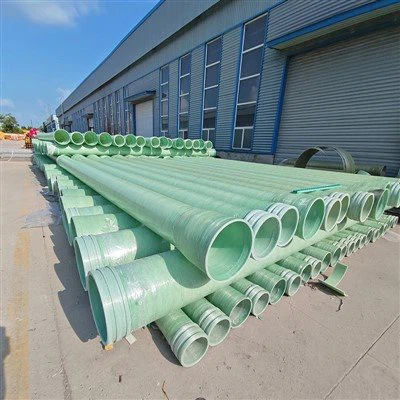
Storing FRP profiles the right way is another key step. They should be stored in a dry place. Moisture can seep into the resin and cause it to break down, which makes the profiles more prone to cracking. If you’re storing them outdoors, cover them with a waterproof tarp.
Temperature also matters. Extreme heat or cold can make the profiles expand or contract. For instance, in really hot weather, the profiles might expand, and if they’re tightly packed, there’s no room for this expansion, which can lead to cracks. So, try to keep the storage area at a relatively stable temperature. If possible, store them indoors where the climate can be controlled.
Stress Distribution
When you’re installing FRP profiles, it’s important to ensure even stress distribution. Don’t overtighten the fasteners. If you do, it can create concentrated stress points, and that’s where cracks are likely to start. Use the right fastening methods and make sure that the profiles are evenly supported. For example, if you’re attaching a profile to a wall, use spacers to ensure that the profile is in contact with the wall across its entire length, not just at a few points.
Chemical Compatibility
FRP profiles are resistant to a lot of chemicals, but not all of them. Before you use any chemicals near the profiles, make sure they’re compatible. For example, some solvents can break down the resin in the FRP. If you’re cleaning the profiles, use mild detergents and a soft cloth. Avoid using abrasive cleaners or solvents that might etch or damage the surface of the profiles.
Regular Inspections
Just like you’d check your car regularly for any issues, you should also inspect your FRP profiles. Look for any signs of damage, like small cracks or chips. The earlier you catch these problems, the easier they are to fix. If you find a small crack, you can use a FRP repair kit. These kits usually come with a resin and a hardener, and you can fill the crack and let it dry. But if the crack is too big or if there are multiple cracks, it might be time to replace the profile.
Expansion Joints
In situations where the FRP profiles are exposed to large temperature variations, expansion joints are a great idea. Expansion joints allow the profiles to expand and contract without causing stress on the material. You can install them at regular intervals along the length of the profiles. This way, even if the profiles change in size due to temperature, they won’t crack.
Training for Installers
If you’re hiring someone to install the FRP profiles, make sure they’re trained. A trained installer knows the best practices for handling, cutting, and installing the profiles. They’ll be able to avoid common mistakes that can lead to cracking. You can ask for certifications or references from the installers to make sure they have the right skills.
Avoiding Overloading
Each FRP profile has a maximum load – bearing capacity. Don’t exceed this capacity. If you’re using the profiles for a structural application, like in a building or a bridge, make sure you’ve calculated the loads correctly. Overloading the profiles can cause them to bend or crack under the stress. It’s like trying to carry too many groceries in one bag – the bag will eventually break.
Post – installation Care
After the profiles are installed, take care of them. Keep them clean and free from debris. If the profiles are in an area where they’re exposed to the elements, like rain or snow, make sure they’re properly drained. Standing water can cause damage over time. You can also apply a protective coating to the profiles to make them more resistant to environmental factors.
Case Studies
Let me share a couple of case studies. A customer once installed FRP profiles in a warehouse. They didn’t consider the temperature variations in the area. During the summer, the profiles got really hot and expanded. Since they were tightly fixed without any expansion joints, they started to crack. After we explained the issue, they installed expansion joints, and the problem was solved.
Another customer was using harsh chemicals to clean the profiles. The chemicals were not compatible with the FRP, and it caused the surface to deteriorate, leading to cracks. Once they switched to a milder cleaner, the cracking stopped.
In conclusion, preventing FRP profiles from cracking involves a combination of proper handling, storage, installation, and maintenance. By following these tips, you can ensure that your FRP profiles last for a long time and perform as expected.

If you’re interested in our FRP profiles or have any questions about preventing cracking or our installation processes, don’t hesitate to contact us. We’re always happy to help and offer the best solutions for your needs.
FRP Tanks References
- "Fiberglass Reinforced Plastic: Properties and Applications" – A technical book on FRP materials.
- "Best Practices for FRP Installation" – An industry – specific guide for installing FRP products.
- "Maintenance of FRP Structures" – A research paper on how to keep FRP structures in good condition.
Hebei Weihan Environmental Protection Equipment Co., Ltd.
We’re well-known as one of the leading FRP profiles manufacturers and suppliers in China, featured by quality products and good service. Please rest assured to buy customized FRP profiles at competitive price from our factory. Contact us for more details.
Address: No. 666 Chuangye Road, Zaoqiang County, Hengshui City, Hebei Province
E-mail: weihanmachine@gmail.com
WebSite: https://www.whanfrp.com/
