Hey there, it’s Jake here—one of the guys at [My Supplier Name], and I’ve been selling small hole expanded metal for almost a decade. I get it, when you’re sourcing metal mesh for projects, small hole expanded metal sounds like a no-brainer at first, right? Tighter holes mean better filtration, more privacy, that sleek, industrial look people go for now. But let’s cut to the chase today—this isn’t a love letter to the product. I’ve seen way too many customers come back scratching their heads, frustrated because they didn’t fully get the downsides of small hole expanded metal. I’m here to lay it all out, straight up, no corporate jargon, so you can decide if it’s actually right for your next project, or if you need to look elsewhere. Small Hole Expanded Metal
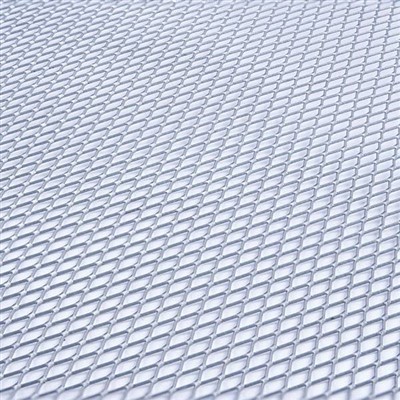
First off, let’s get on the same page so we’re not talking past each other. Expanded metal, for the uninitiated, is made by slitting and stretching a solid metal sheet, right? No welding, no weaving—so it’s stronger than woven or welded mesh, and way more consistent than something you’d bend by hand. Small hole expanded metal is just the version where the openings are super tight, usually under ¼ inch, sometimes as small as 1/16 inch depending on the gauge. It’s used for all sorts of stuff: HVAC filters, ceiling grilles, security screens, even decorative wall panels. The tradeoff for those tiny holes? Yeah, it’s not all sunshine. Let’s start with the big one people usually overlook: flow and throughput.
If you’re using this for anything that moves stuff—liquid, air, even bulk solids—small holes are a game stopper. I had a customer last year, a guy who runs a craft brewery, he came to me needing a filter for his hop tea. Swears he saw a TikTok of small hole expanded metal being used for food-grade filtration, so he jumped on it, ordered 20 square feet of 1/8 inch hole 304 stainless steel (super common for food stuff). He called me three days later, livid, because his brew rate dropped by like 60%. Said his old mesh (woven, 1/8 inch too) let 5 gallons an hour through, but the expanded metal only let 2. That’s because when you stretch that solid sheet to make small holes, the edges of each slit—those little, sharp, raised tabs—they don’t just create the hole, they also create resistance. It’s like pouring water through a screen full of tiny, bumpy lips instead of a smooth woven weave. The liquid has to navigate all those edge points, so it’s way slower. Same with air flow: if you’re using this for a return air grille in your office, you’re gonna need a bigger fan to make up for the reduced CFM. That’s extra energy costs, extra noise, a whole headache you didn’t plan for. I’ve had HVAC contractors tell me they end up specifying a grille area 30% bigger than they usually would just to compensate. And if you’re dealing with bulk stuff, like grain or plastic pellets? Good luck. The tiny holes mean material gets stuck, clogs way easier than larger hole expanded metal, and cleaning it? That’s a whole other nightmare.
Next up, flexibility and workability. Expanded metal is supposed to be tough, right? But small hole versions? They’re way more rigid than their larger hole cousins, and not in a good way. Let’s say you need to bend the mesh to fit a curved surface—like a tank, or a decorative arch. If you have holes smaller than ¼ inch, stretching the sheet that much to make those tiny openings makes the metal stiffer, less malleable. I had a sign shop customer a few months back, he wanted to wrap small hole expanded metal around a 2-foot diameter arch for a music festival. Ordered 100 square feet of 3/16 inch hole aluminum, thought it’d be easy. Got it, tried bending it, and it just wouldn’t conform without cracking. The hole pattern was so dense that when it stretched, the metal between the holes (the “ligaments,” as us guys call ’em) were super thin. Bend it too far, and those ligaments snap. He ended up having to weld pieces together, which defeated the whole point of using expanded metal (no welds, faster install) and added days to his timeline. Compare that to, say, ½ inch hole expanded metal—you can bend that into a U-shape easily, no problem, because the ligaments are thicker and the overall structure is more forgiving. Small hole = way more likely to crack, warp, or break if you need to shape it. Even cutting it is harder. Use regular tin snips? You’ll bend the edges, tear holes, mess up the pattern. Need to use a plasma cutter or a nibbler, which adds time and money. Not to mention, if you’re using thin gauge metal (like 16 gauge or thinner) for small holes, it’s so flimsy you can push a finger through it if you’re not careful.
Then there’s clogging, which I touched on earlier, but it’s worth expanding on (pun intended). Small holes = tiny stuff getting stuck. Let’s take that HVAC filter example again. Dust, lint, pet hair—all that gunk gets caught in those little openings way faster than in a larger hole mesh. The problem isn’t just that it clogs quickly, it’s that once it clogs, it’s a pain to clean. Unlike woven mesh, where you can just rinse it with a hose or blast it with air, expanded metal has those raised edges around every hole. Gunk gets wedged in the gaps between the ligaments and the hole edges, so rinsing just pushes it around, not out. I had a industrial parts washer customer last year, he was using small hole expanded metal to hold small engine parts during cleaning. After a week, the holes were so clogged with grease and grime that he had to use a pick to dig each one out. Took him an hour per sheet, vs. his old larger hole mesh where he just pressure washed it for 5 minutes. That’s massive downtime, labor costs that add up fast. And if you’re using it for exterior applications? Leaves, pollen, bird droppings—all that outdoor gunk gets stuck, and if you don’t clean it immediately, it can eat through the metal over time, especially if it’s galvanized steel and the debris holds moisture.
Wait, also, visibility and open area. A lot of people think small hole expanded metal means more solid coverage, right? But actually, that’s not always true. Let’s talk open area—how much of the surface is actually open for whatever you need (light, air, sight). Small hole expanded metal, because the ligaments are thinner (you have to stretch a solid sheet to make tiny holes, so the metal between holes is narrower), the open area is actually lower than a larger hole mesh with the same gauge. For example, 1/8 inch hole 14 gauge expanded metal has an open area of around 35%, while ½ inch hole 14 gauge is like 65%. That’s a huge difference! If you’re using this for a security screen, you might think smaller holes = more secure, but if the open area is lower, you’re also blocking way more light and view. I had a homeowner customer come to me, he wanted a security screen for his back deck, said he hated the view from his old wrought iron fence. Ordered small hole aluminum mesh, installed it, and called me a week later complaining that his backyard was dark, he couldn’t see his kids playing, and his phone camera footage was grainy because the screen was blocking light. Turns out he didn’t realize that small hole = lower open area, so he traded privacy for blocking his own view. Also, for security? Thieves can still get through if the holes are small enough to fit a hand, and the thin ligaments can be cut with bolt cutters easier than the thicker ligaments in larger hole expanded metal. That’s a big one—small holes don’t always equal more security, if that’s what you’re going for.
Oh, and cost! I almost forgot the big one that hits every project budget. Small hole expanded metal is way more expensive than larger hole versions, and sometimes even more than woven or welded mesh with the same material. Why? Because when you’re slitting and stretching a solid sheet to make tiny holes, you have to use a thinner starting sheet? No, wait—actually, it’s the opposite. To get small, consistent holes, the manufacturing process has way more waste. The slitting blades have to be closer together, so you end up with more offcuts, more errors during stretching. Also, small holes mean you’re using less metal per square foot? No, wait, no—wait, let’s do the math. If you have 1 square foot of solid steel, and you stretch it into small holes, you’re removing more metal (in the form of slits that become holes) than if you stretch it into larger holes. So you pay more for the raw material, more for the manufacturing time, and the final product is more expensive per square foot. I’ve had customers tell me they were quoted $2.50 per square foot for ½ inch hole expanded metal, and $12 per square foot for 1/8 inch hole. That’s almost 5x the cost, for a feature they didn’t even need. A lot of people see small holes and think “better quality” or “more value,” but it’s just a premium price for a niche use case. I’m not saying it’s never worth it, but if you’re just using it for a basic filter or a screen, you’re throwing money away.
Wait, is there a silver lining here? Of course—small hole expanded metal is still great for specific things. Like if you’re filtering fine powders, or making a security screen for a small window where larger holes would let a kid’s head through, or a decorative panel where you want that tight, textured look. But you have to know the downsides before you buy it, otherwise you’re gonna end up with a product that doesn’t work for your project, is over budget, and causes you headaches.
Let me wrap this up straight. I’ve been in this game long enough to see customers waste thousands of dollars on small hole expanded metal because they didn’t ask the right questions. Don’t be that guy. If you’re considering this for your next project, ask yourself: Do I need that tight a hole? Am I okay with slower flow, harder cleaning, higher cost? Can I live with the rigidity if I need to bend it? If the answer is no to any of those, maybe go with a larger hole expanded metal, woven mesh, or welded mesh instead. If yes, then we can talk about it—we’ve got all grades, all metals (stainless, aluminum, galvanized, carbon steel), we can custom cut it to size, and we’ll make sure it works for your exact needs.

If you’re curious, want a sample, or have questions about whether small hole expanded metal is right for your project, hit us up. We’ll give you honest answers, no salesy nonsense, because that’s how we’ve stayed in business this long.
Perforated Metal References:
- Expanded Metal Manufacturers Association. (2021). Technical Guide to Expanded Metal Specifications and Performance Characteristics.
- HVAC Contractors Association. (2022). Mesh Selection Guidelines for Commercial Air Filtration and Ventilation Applications.
- Metal Forming Industry Journal. (2020). Process Limitations and Material Properties of Small Hole Expanded Metal Sheets.
- Food and Drug Administration. (2021). Materials of Construction for Food Processing Equipment: Mesh and Screen Specifications.
Anping Yilida Metal Wire Mesh Co., Ltd.
Anping Yilida Metal Wire Mesh Co., Ltd. is one of the most reliable small hole expanded metal manufacturers and suppliers in China, also supports customized service. Please feel free to buy bulk high quality small hole expanded metal made in China here from our factory.
Address: Wire Mesh Development Zone, Anping, Hebei Province, China
E-mail: sales@wiremesh-yg.cn
WebSite: https://www.yilidametal.com/
